Why Choose a Treadmill?
Before diving into specs, it's worth asking a more basic question: why a treadmill at all?
Walking and running are the most natural forms of human exercise. They require no technique to learn, no expensive gear, and they deliver results — cardiovascular health, weight management, improved mood, better sleep. The treadmill makes those benefits available on your schedule, in any weather, at any hour.
That's not a small thing. For many people, the barrier to consistent exercise isn't motivation; it's logistics. Icy sidewalks, sweltering summers, late nights, traveling for work — a treadmill eliminates most of the excuses that interrupt an otherwise good routine.
Treadmills also offer something outdoor running doesn't: control. You decide the speed, the incline, the duration. You can hold a precise pace during interval training, gradually increase incline for a hill workout, or walk at 2.5 mph while answering emails. That level of control is genuinely useful, not just a gimmick.
Types of Treadmills
Not all treadmills are built for the same purpose. Understanding the main categories saves you from buying a machine that's either overkill or underpowered for your needs.
Manual Treadmills
Manual treadmills have no motor. The belt moves because you push it with your feet. They're quiet, lightweight, and typically much cheaper than motorized models. The tradeoff is that they require significantly more effort to operate — your muscles are working harder than on a motorized belt, which can actually be a benefit if intense low-impact work is your goal. Flat manual treadmills tend to be awkward for most users, but curved manual treadmills have become genuinely popular in high-performance fitness circles for their natural, self-paced feel.
Motorized Home Treadmills
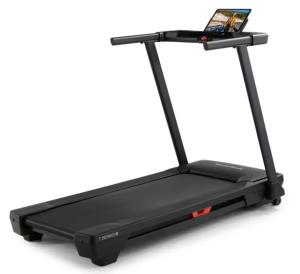
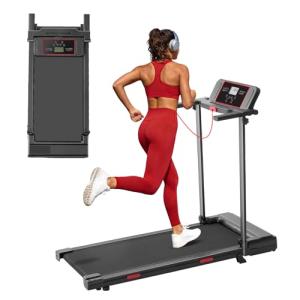
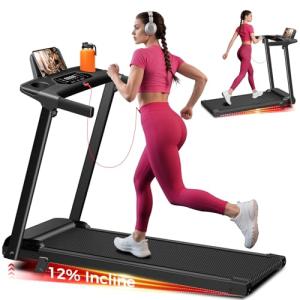
This is the category most people are shopping when they search for a treadmill. Motorized home treadmills range from folding entry-level models designed for walking and light jogging to robust machines that can handle years of daily running. They're the sweet spot between affordability and performance for most households.
Commercial Treadmills
Commercial models are built for gyms, hotels, and physical therapy clinics — environments where the machine runs for hours every day under heavy use from many different users. They're significantly more expensive, more durable, and usually heavier. For a home user, commercial specs are often unnecessary, but they represent the upper ceiling of what treadmill engineering can produce.
Incline Treadmills and Walking Pads
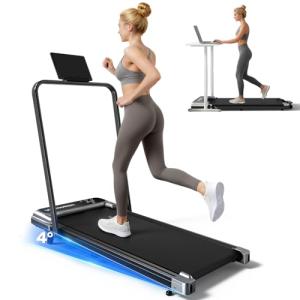
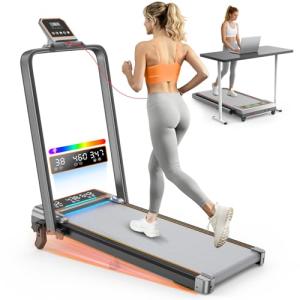
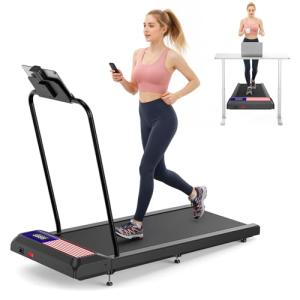
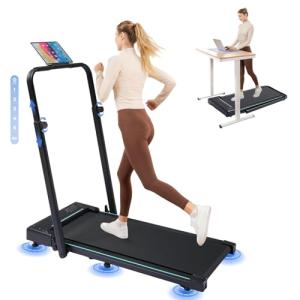
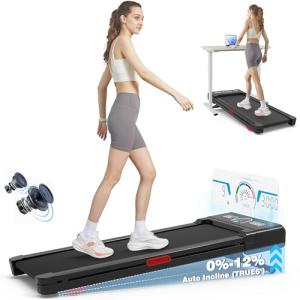
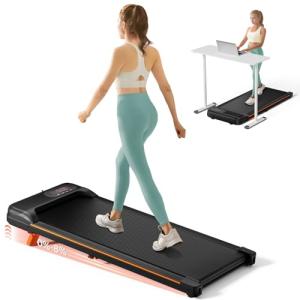
A newer category, popularized partly by the rise of under-desk work setups: incline-focused treadmills and ultra-compact walking pads. These machines prioritize walking at high inclines (some reaching 40% grade) or low-profile portability over running performance. They've found a devoted audience among people who want to stay active during the workday without leaving their desk.
Key Features to Understand Before You Buy
Shopping for a treadmill gets confusing fast because manufacturers love to throw numbers at you. Here's what the important specs actually mean.
Motor Power (Continuous Horsepower)
The most frequently misunderstood spec. Always look for continuous duty horsepower (CHP), not peak horsepower. Peak HP is a marketing number; CHP is what the motor actually sustains during use.
For walking, 1.5–2.0 CHP is sufficient. For regular jogging, aim for 2.5–3.0 CHP. Serious runners who log significant weekly mileage should look for 3.0 CHP or higher. Underpowered motors struggle under sustained load, overheat, and wear out prematurely.
Belt Size
Belt dimensions directly affect comfort, especially for runners. The standard recommendation for running is a belt at least 20 inches wide and 55 inches long. Taller runners or those with a longer stride benefit from a 60-inch belt. Walking workouts can get by with smaller dimensions, but when in doubt, bigger is better.
Speed and Incline Range
Most home treadmills reach 10–12 mph, which is more than adequate for all but elite runners. Incline range typically spans 0–12% on standard models, with some reaching 15% or higher. If incline walking is your primary workout style, prioritize this spec. Some machines also offer decline settings (negative incline), which adds variety and targets different muscle groups.
Cushioning System
The deck cushioning absorbs impact, which matters enormously over time. Running on a hard surface increases stress on joints compared to cushioned alternatives. Better treadmills have multi-zone cushioning systems that are firmer at the push-off point and softer at the landing zone, mimicking natural running biomechanics. If you have knee, hip, or back concerns, cushioning quality should be near the top of your decision criteria.
Console and Technology
Modern treadmills range from stripped-down consoles showing just speed and time to full touchscreen displays running streaming entertainment and interactive training platforms. Features like heart rate monitoring, Bluetooth connectivity, USB charging, and built-in speakers are increasingly standard at mid-range price points. The more premium tier connects to platforms like iFIT, Peloton, or Apple Fitness+, offering live and on-demand instructor-led classes.
Decide honestly how much you'll use these features. A stunning 22-inch touchscreen is money well spent if you're the kind of person who actually enjoys guided workouts. If you mostly run while listening to your own podcast, it's an expensive feature you'll largely ignore.
Foldability and Footprint
One of the most practical considerations for home gyms. Folding treadmills allow the deck to be raised vertically when not in use, dramatically reducing the floor space required. Most entry and mid-range models fold. Higher-end and commercial models typically don't. Measure your space carefully — and remember to account for the running area in front of and behind the machine when it's in use.
Weight Capacity
Check the maximum user weight rating and be honest about whether it applies to your household. Ratings typically range from 250 lbs to 400+ lbs on heavy-duty models. Exceeding the weight limit doesn't just void your warranty; it accelerates wear on the motor, belt, and deck.
What to Expect at Different Price Points
Under $500
At this price, you're buying a walking treadmill or a light-jogging machine. Expect modest motor power, smaller belts, basic consoles, and shorter warranties. Build quality is functional but not long-lasting under heavy use. Perfectly reasonable for casual walkers or households with limited space and budget.
$500–$1,500
The most competitive segment of the market. Mid-range treadmills here offer legitimate running performance, folding designs, decent cushioning, and increasingly good technology integration. This is where most home buyers find the best value. Brands like NordicTrack, ProForm, Horizon, and Sole compete heavily at this tier.
$1,500–$3,000
Premium home treadmills. Quieter motors, more durable construction, better cushioning systems, wider belts, and stronger warranties. These machines are built to last under consistent, demanding use. Worth the investment for serious runners who train regularly.
$3,000 and Above
Commercial-grade performance in a home-friendly package, or fully commercial machines. Brands like Precor, Life Fitness, Woodway, and Technogym operate here. Overkill for most households, but appropriate for high-frequency use or when durability is a non-negotiable priority.
Maintaining Your Treadmill
A treadmill is a mechanical system, and like any machine, it rewards basic maintenance with longevity.
Lubricate the belt and deck every three to six months, or whenever the manufacturer recommends — dried-out belts are one of the most common causes of early motor failure. Keep the belt centered and tensioned correctly; a belt that drifts to one side creates uneven wear. Clean the machine regularly, especially around the motor housing where dust and debris accumulate. And use a surge protector — treadmill motors are sensitive to power fluctuations.
Most major brands offer warranties covering the frame (often lifetime), motor (typically five to ten years), and parts and labor (typically one to two years). Premium brands offer significantly longer coverage. Warranty terms are a useful proxy for how confident the manufacturer is in their own build quality.
Is a Treadmill Right for You?
Treadmills aren't for everyone. They require dedicated floor space, they're not silent, and they represent a meaningful upfront investment. Outdoor runners sometimes find treadmill running mentally harder — the scenery doesn't change, and the belt's motion is slightly different from natural running surfaces.
But for a huge number of people, a treadmill is genuinely one of the most impactful fitness purchases they'll ever make. It removes the weather variable, it fits around your schedule, and it delivers one of the most well-studied forms of exercise known to medicine.
If consistency is the thing standing between you and your fitness goals — and for most people, it is — then a treadmill is a very reasonable solution to a very real problem.
The right treadmill is the one that actually gets used. That sounds obvious, but it's easy to over-optimize for specs and under-optimize for the practical reality of where the machine will live and how your household will actually interact with it.
Start with your space and your budget. Then think honestly about how you exercise — are you a walker, a jogger, a serious runner? Do you need entertainment features to stay motivated, or do you prefer simple controls you can operate without looking down? Are you buying for one person or the whole family?
Answer those questions well and the right treadmill becomes much easier to identify. The technology has matured to the point where even modestly priced machines deliver reliable performance — the challenge isn't finding a good treadmill, it's finding the right one for you.