What Is a Weight Vest?
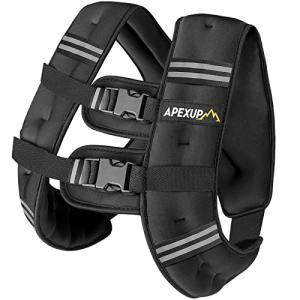
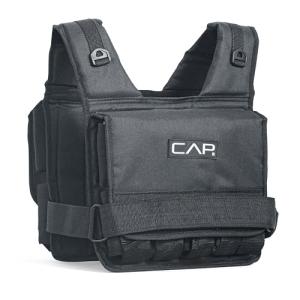
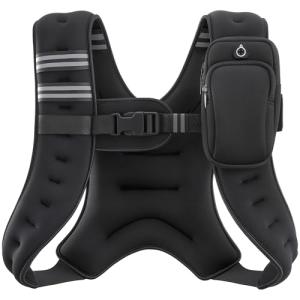
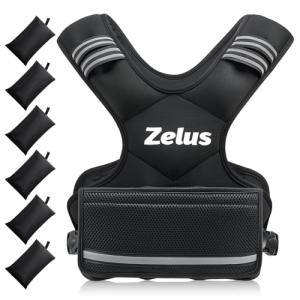
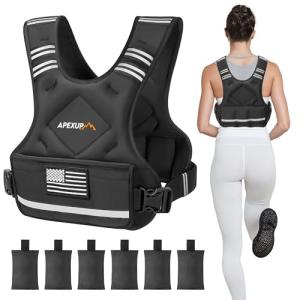
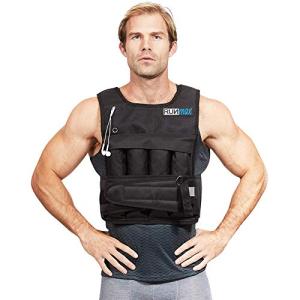
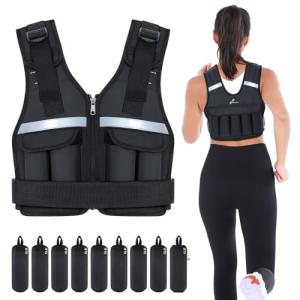
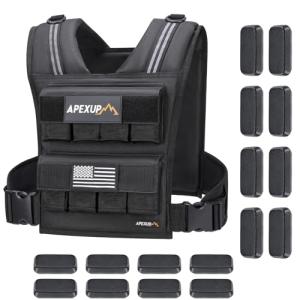
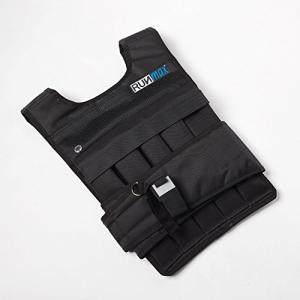
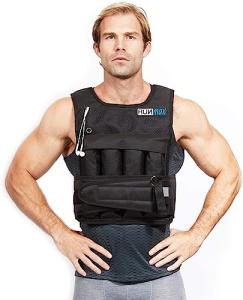
A weight vest is exactly what it sounds like: a wearable vest designed to add extra load to your body during physical activity. Most are constructed from durable fabrics like nylon or Cordura, and they carry weight either through built-in steel plates, removable sand bags, or slots that accept standard Olympic plates. They wrap around your torso, distributing the added mass across your shoulders, chest, and back — keeping the weight centered close to your body so it doesn't throw off your balance or movement mechanics.
Unlike dumbbells or barbells, a weight vest doesn't require you to hold anything. Your hands stay free, your natural movement patterns stay intact, and your muscles have to work harder simply to do what they normally do. That's the magic of it.
The Real Benefits of Training With a Weight Vest
Burn More Calories Without Changing Your Routine
One of the most straightforward perks of a weight vest is increased calorie burn. When you add extra weight to your body, your muscles and cardiovascular system have to work harder to move that load. A walk that normally burns 200 calories might burn noticeably more with even a modest amount of added resistance. For people who have plateaued with their usual cardio routine or simply want to get more return on their time investment, a weight vest delivers without requiring you to go faster or longer.
Build Functional Strength
Bodyweight training is genuinely effective — squats, lunges, push-ups, step-ups — but there comes a point where your own bodyweight just isn't enough of a challenge anymore. A weight vest changes that equation instantly. Adding 10, 20, or 30 pounds to a squat or a push-up increases the muscular demand significantly, helping you continue building strength even when traditional bodyweight progressions have stalled. Your legs, core, shoulders, and back all benefit from the added resistance during everyday movements.
Protect and Build Bone Density
This benefit doesn't get talked about enough. Bone density responds to physical stress — the more load you put through your skeleton, the stronger and denser it becomes over time. Regular walking alone, while great for overall health, doesn't generate enough mechanical stimulus to significantly improve bone density. Walking or training with a weight vest changes that. The additional stress on your bones triggers the same kind of adaptive response that jumping or heavy lifting does, making weight vests particularly valuable for older adults, postmenopausal women, and anyone looking to reduce their long-term risk of osteoporosis and fractures.
Strengthen Your Heart and Lungs
Adding external resistance to your workouts increases the demand on your cardiovascular system. Your heart pumps harder, your lungs work to pull in more oxygen, and your aerobic capacity gets pushed in ways it simply wouldn't during unloaded activity. Over time, consistent training with a vest can improve your cardiovascular efficiency — the same adaptation you'd see from bumping up the intensity of your cardio in other ways.
Improve Posture and Core Stability
Carrying extra weight on your torso naturally activates your core and postural muscles more than unloaded movement does. Your body has to work to keep you upright and stable, which strengthens the deep stabilizing muscles along your spine and through your midsection. Many people notice improvements in their posture and how they carry themselves after incorporating weight vest training consistently — not from thinking about standing up straight, but because the muscles that make good posture effortless are simply stronger.
Types of Weight Vests
Not all weight vests are built the same, and the right one for you depends largely on what you're trying to accomplish.
Fixed Weight Vests
These come pre-loaded with a set amount of weight and aren't designed to be adjusted. They're simpler in construction and often more affordable, but they limit your ability to progress over time. They work well if you have a specific training load in mind and don't need to scale up.
Adjustable Weight Vests
By far the most popular option for most people, adjustable vests let you add or remove weight incrementally as your fitness improves. They typically accept small steel plates or weighted inserts that you can swap in and out. The ability to start light and progressively add resistance makes these vests genuinely useful for the long haul — you're not stuck at one weight forever.
Plate Carrier Vests
Originally military and tactical equipment, plate carriers have been adopted enthusiastically by the fitness world. They're designed to hold one or two large steel or weight plates in front and rear pockets. They tend to be extremely durable, often made from rugged materials like 1000D Cordura, and are the vest of choice for rucking, heavy carries, and high-load training. Some models are compatible with standard Olympic plates, which is a nice bonus if you already have them at home.
Short vs. Long Vests
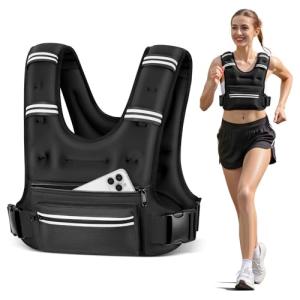
Short vests sit high on the torso, stopping around the ribcage. This design allows maximum freedom of movement for sprinting, jumping, and dynamic athletic training. Long vests extend further down the body, shifting the center of gravity lower and making them a better choice for rucking, hiking, and heavy leg day work where extra stability matters more than agility.
Who Should Use a Weight Vest?
The honest answer is: most active people. Weight vests aren't just for elite athletes or former military operators, even if that's where the culture originally came from.
Casual walkers and hikers will find that a weight vest transforms a simple walk into a meaningful workout. The trend sometimes called rucking — walking with added weight — has become hugely popular precisely because it's so accessible. You don't need to run. You don't need special skills. You just walk, but harder.
CrossFit and functional fitness enthusiasts use weight vests to add intensity to workouts that are built around bodyweight movements. Pull-ups, box jumps, burpees, and wall balls all become significantly more demanding with an extra 20 pounds strapped to your chest.
Strength athletes looking to add variety or increase the difficulty of accessory bodyweight movements find weight vests a natural fit. They're especially effective for progressive overload on pull-ups and dips, where a weight belt might be awkward.
Older adults looking to maintain muscle mass, improve balance, and protect bone density have increasingly strong evidence in their corner when it comes to weight vest training. The key is starting conservatively and progressing slowly.
Rehabilitation and clinical settings have also explored weight vests for balance training and functional movement work, particularly with older populations.
How to Choose the Right Weight Vest
Start With the Right Weight
A common guideline is to begin with a vest that represents around 5–10% of your body weight. If you weigh 160 pounds, that means starting somewhere in the 8–16 pound range. This might feel surprisingly challenging if you're not used to carrying extra load. The goal is to train effectively, not to struggle so hard that your form breaks down or you end up sore and injured.
Prioritize Fit Over Everything Else
A weight vest that bounces around, digs into your shoulders, or rides up constantly will ruin your workout and possibly cause injury. The vest should fit snugly against your body, moving with you rather than independently of you. Look for adjustable shoulder straps and side buckles or cam straps that let you dial in the fit precisely. If you're a smaller or narrower person, pay close attention to the shoulder width — many vests are cut wide and won't work well for everyone.
Consider the Weight System
Some vests use proprietary weighted inserts that you can only buy from the manufacturer. Others accept standard plates you may already own. If you're investing in a long-term piece of equipment, it's worth thinking through the ongoing cost and convenience of adding weight over time.
Look for Breathability
You're going to get warm. It's unavoidable. Vests made from moisture-wicking fabrics, or those with mesh panels, make training more comfortable and reduce chafing during longer sessions. If you plan to use the vest in hot weather or for extended walks and hikes, breathability matters more than you might initially think.
Think About Your Primary Activity
A vest designed for running and sprinting looks and functions quite differently from one built for heavy rucking. Ask yourself where and how you'll use it most often, then match the vest design to that answer rather than buying the flashiest option and hoping it works for everything.
How to Use a Weight Vest Safely
The most common mistake people make is adding too much weight too soon. Weighted vest training should feel like a genuine challenge — not a test of your ability to survive. Start with a lighter load than you think you need, train with it for a few weeks until it feels comfortable, and then incrementally increase.
Keep your sessions to a reasonable length when you're starting out. Even 20–30 minutes with a vest can represent a significant increase in workload compared to training without one. Give your joints, tendons, and muscles time to adapt.
Maintain good form above everything else. If your posture is collapsing, your stride is changing significantly, or you're compensating in obvious ways because of the weight, that's a signal to reduce the load. A weight vest should amplify good movement, not force your body into bad patterns.
People with pre-existing neck or back problems, joint issues, or any significant orthopedic history should consult with a healthcare provider before starting. The vest adds load to your whole spine, and if there's something already going on in that area, you want professional guidance before adding stress to it.
Getting the Most Out of Your Weight Vest
You don't need to completely overhaul your training to benefit from a weight vest. In most cases, you can simply add it to things you're already doing: your morning walk, your bodyweight workout, your weekend hike. Start with two or three sessions per week, monitor how your body responds, and adjust from there.
Progressive overload is the key principle. Add a little weight, get comfortable, add a little more. Over months and years, this steady accumulation of challenge is what produces real, lasting adaptation — stronger muscles, denser bones, and a cardiovascular system that handles demands you once found difficult.
A good weight vest, cared for properly, will last years. The returns on that investment — in fitness, health, and quality of movement through daily life — have a way of compounding over time in ways that are genuinely hard to replicate with other equipment at a similar price point.
Weight vests occupy a rare category in fitness equipment: they're simple enough for anyone to use, effective enough to make a real difference, and versatile enough to complement nearly any training style or goal. Whether you're an experienced athlete looking for a new edge or someone just trying to make a daily walk a little more meaningful, there's a weight vest built for your needs.
The best one isn't necessarily the most expensive or the heaviest. It's the one that fits well, suits your activity, and makes you actually want to put it on.